Merlin Madrid
Certified Advanced Rolfer
720-276-1972
Rolfing®
Structural Integration

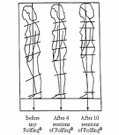
What is the difference between Rolfing Structural Integration and Massage Therapy
The main differences between Rolfing Structural Integration and therapeutic massage can be found in the goals and focuses of each modality.
The goals of massage therapy focuses on releasing muscular tension and stress and promote a general sense of well being. The focus of massage therapy is the musculoskeletal system of the body.
The goals of Rolfing Structural Integration® is to improve body posture, alignment, flexibility, and movement. Rolfing focus is the fascia, the ‘myo-fascial’ structure of the body.
Rolfing™ works toward changing bio-mechanical patterns of movement by making postural changes long-term. it goal is to not only release muscle tension but to release tension in ever bone, ligament, tendon, muscle, muscle fiber and organ in the body. it is a soft tissue mobilization of the connective tissue network know as fascia.
How is Rolfing different from Chiropractic?
Chiropractors work with alignment by adjusting bone restrictions while Rolfers work with strain in the soft tissue. There are no quick adjustments in Rolfing. Bones are often able to sustain proper alignment when the soft tissue strains are addressed. The two practices can be complimentary. Rolfing helps chiropractic adjustments last longer.
Can Rolfing Improve Your Sports Performance or Golf Game ?
For golfers, both professional and recreational, flexibility is one of the keys to maximizing your potential. Golf puts unique demands on the body. The coil/uncoil of the swing makes spine and hip flexibility essential to success.
Rolfing Structural Integration can help you to improve your range of motion, durability and strength, by realigning the body and stretching the fascia and muscles, to bringing balance and poise back to your body. If your a golfer who feels like you can't improve your swing due to a sore shoulder or limited range of motion? Rolfing is perhaps the quickest way to add flexibility to the spine and hips. I work with recreational and competitive athletes to further performance, aide in injury recovery and help reduce the wear and tear of training.
What Can I Expect in my first Rolfing session?
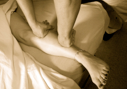
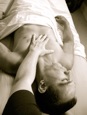
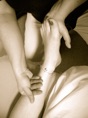
A Rolfer starts by evaluating the client's structure. The client is then asked to lie on the table, as the Rolfer applies just the right amount of pressure where the fascia is restricted. The client may be asked to breathe into the area being worked and or make tiny movements. The combination of applied pressure and synchronized movements frees and re-positions the connective tissue and aligns the body’s segments.
How does Rolfing® feel?
The sensations in the area being worked may range from pleasurable warmth to momentary discomfort. At times there may be little sensation at all. How you will feel during Rolfing depends on several factors such as injuries to the area or tension caused by chronic stress. After Rolfing, people report feeling lighter and better balanced. Movement feels easier, as if the joints have been lubricated.
How often do I get Rolfed ?
There is a basic ten series , but you might begin with just three sessions at first to see for yourself how Rolfing really works, and then perhaps, continue with the remaining seven sessions that make up the usual “ten series. The sessions are usually spaced one or two weeks apart
What do I Wear to get Rolfed?
The typical attire for men is underwear and for woman is bra and underwear or two-piece swimsuit. It's important for the practitioner to be able to see your physique and the changes that occur during the sessions. It is also important for you to feel comfortable during the session so, if needed, please wear whatever you feel is appropriate.
How long does Rolfing last ?
The benefits of Rolfing reach far beyond the immediate results of a session. Many clients report noticing changes in their body up to a year later. When accidents and stress do occur, clients often opt to come in for periodic 'tune-up' sessions in an effort to maintain their alignment.
What is the Rolfing's History?
Dr. Ida Pauline Rolf received her Ph.D. in biochemistry from Columbia University in 1920. Driven to find solutions to her own health problems as well as those of her two sons, Dr. Ida Rolf spent many years studying and experimenting with different systems of healing and manipulation. Throughout most of her life she was intrigued with and explored many forms of alternative healing including homeopathy, osteopathy, chiropractics and yoga.
In 1971 the Rolf Institute of Structural Integration was established. Headquartered in Boulder, Colorado with adjunct facilities in Brazil, Germany, Australia and Japan the Rolf Institute is the sole certifying body for Rolfers.
How much does Rolfing cost ?
The cost of a session varies from $150 to $185., according to local economic conditions and the experience of the Rolfer. My rate is $160. dollars per session) I accept cash checks and major credit cards

All rights and images reserved. © Merlin Madrid. 2025





Alignment
Flexibility
